Francais
 Cart
Cart Quote
QuoteUnit Dose Dispensing (UDD): challenges, regulations and equipment
Over the past few years, Unit Dose Dispensing (UDD) has become a key component in securing the medication circuit in France. This article provides an overview of its definition, challenges, regulatory framework, and the equipment that structures this practice.
Definition and objectives of UDD
Unit Dose Dispensing consists of preparing, in advance and for an identified patient, the medications corresponding to their prescriptions for a given period. Its purpose is to secure administration, improve adherence, and facilitate caregivers’ work.
The regulatory framework of UDD in France
The decree of November 28, 2023
UDD has undergone a major regulatory development with the decree of November 28, 2023 relating to good dispensing practices. This text now explicitly regulates UDD carried out in community pharmacies, specifying operating conditions, documentation requirements, and delivery procedures to patients.
UDD in nursing homes: a specific framework
In nursing homes, UDD can be performed either by the facility’s reference pharmacist (hospital pharmacy) or by a community pharmacy through a dedicated agreement. Collaboration between the coordinating physician, the head nurse (IDEC), and the pharmacist is essential to secure the entire process.
Responsibilities and compliance
UDD must be carried out under the responsibility of a pharmacist. Facilities and equipment must comply with preparation best practices. Traceability is mandatory: each preparation must be documented (prescription, patient, date, operator, pharmacist validation).
Different types of UDD
| UDD Type | Investment | Best suited for |
|---|---|---|
| Manual | Low | Small pharmacies, home care services |
| Semi-automated | Moderate | Mid-sized pharmacies, nursing homes |
| Automated / robotic | High | Large hospital pharmacies, purchasing groups |
Manual UDD
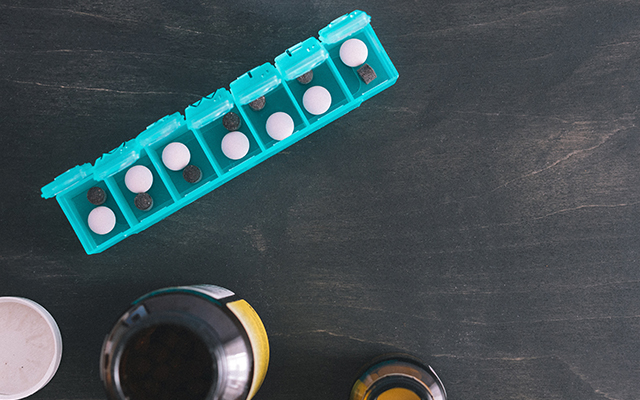
This involves manually filling pill organizers or weekly trays. It requires strict organization, sealed and clearly identified containers, as well as systematic double-checking.
Semi-automated or automated UDD
Automated systems or robots mechanize the process by producing individualized, patient-labeled pouches identified with barcodes. These systems are particularly suited to high-volume environments.
Essential UDD equipment
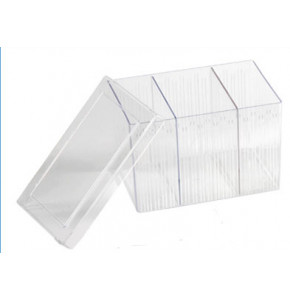
- Pill organizers and weekly trays: Must ensure patient identification, dose differentiation (colors/markings), sealing, and compliance with ISO 11607 standards.
- UDD pouches: Made from heat-sealable film, they provide full traceability via QR code or barcode.
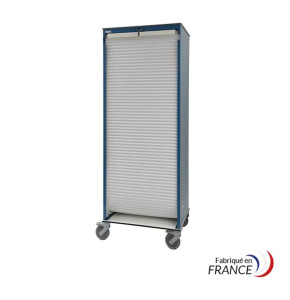
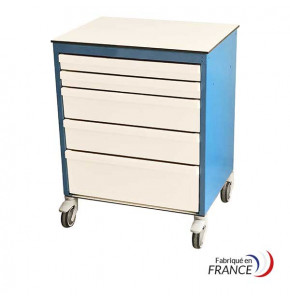
- Dedicated storage cabinets: Prevent cross-contamination and ensure proper storage conditions (light, temperature).
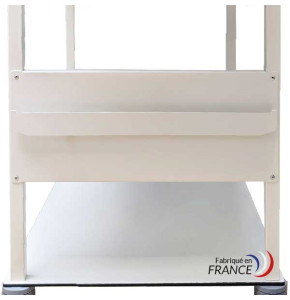
- UDD workstation: Must support a logical workflow (forward flow) with appropriate lighting and a disinfectable work surface.
Essential UDD equipment
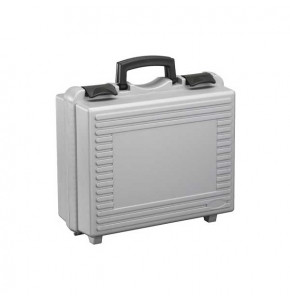
Pill organizers and weekly trays
As the core component of manual UDD, they must ensure patient identification and clear differentiation of doses (morning/noon/evening/bedtime). Our solutions guarantee sealing and compliance with ISO 11607 standards.
Discover our pill organizers >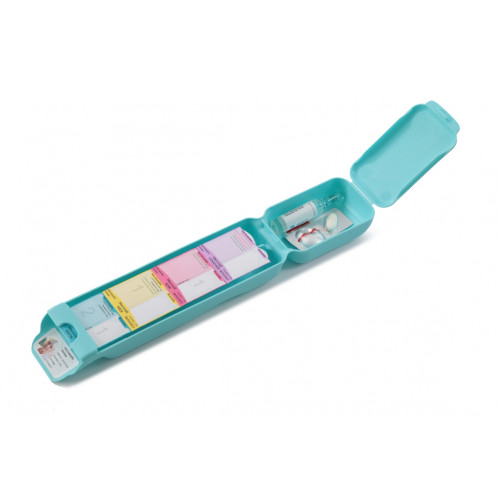
UDD pouches
For automated systems, heat-sealed, patient-specific pouches provide full traceability. Printed information includes patient name, expiry date, and exact administration time.
UDD consumables >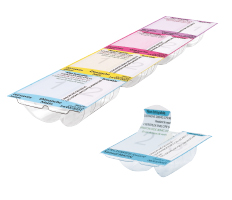
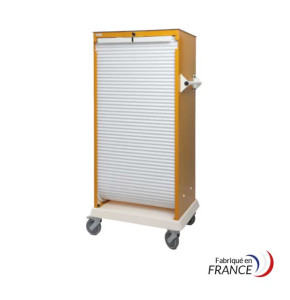
Dedicated storage cabinets
Once prepared, pill organizers or pouches must be stored securely. Our cabinets with individual compartments prevent cross-contamination and protect medications from light exposure.
View our storage cabinets >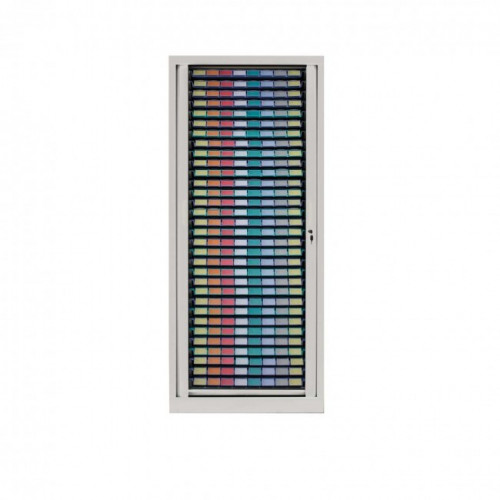
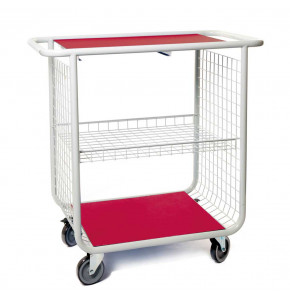
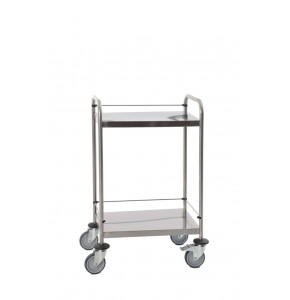
UDD workstation
Workstation layout is critical to ensure a logical forward workflow. Our workstations are ergonomic, easy to disinfect, and optimized for double-check procedures.
Discover our workstations >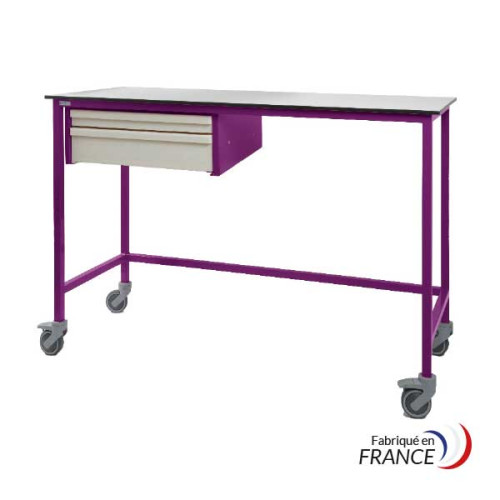
UDD and the reduction of medication errors
A structured UDD process can lead to a reduction of medication errors by over 50% in healthcare facilities. It eliminates confusion between drugs with similar names or forms and secures administration at the patient’s bedside.