Francais
 Cart
Cart Quote
QuoteCode of Ethics and pharmacist's time: how good organization frees up your advisory role
Between new missions (vaccination, rapid diagnostic tests, pharmaceutical interviews) and the daily flow of patients, time has become the most precious resource in the pharmacy. However, the Code of Ethics is clear: the pharmacist is above all a public health actor whose primary mission is advising and supporting the patient. So, how can this ethical requirement be reconciled with the heavy daily logistical burden? The answer is often found in the back office and the equipment of your pharmacy.

Counseling: the core of your ethical commitment
The Pharmacists' Code of Ethics (integrated into the Public Health Code) reminds us from its very first articles that the pharmacist's mission is not limited to the simple dispensing of boxes.
In practical terms, this translates into the obligation to inform, explain the dosage, check for drug interactions, and ensure the patient's correct understanding of the treatment.
To exercise this fundamental role and build a bond of trust with the patient base, one condition is essential: availability.
Logistics: the great "time thief" in the pharmacy
In reality, this availability is often put to the test. Pharmacy teams (titular owners as well as pharmacy technicians) spend a considerable part of their day on heavy logistical and administrative tasks that take them away from the counter:
- Managing stock shortages: It has become a structural and systemic challenge. According to the PGEU Medicine Shortages Report 2025 (based on a survey conducted between January 15 and February 15, 2026), shortages persist in 96% of responding countries. Even more alarming, community pharmacies dedicate an average of 12 hours per week to managing these shortages. They thus absorb financial and administrative burdens to safeguard continuity of care, which directly impacts the patient relationship (patient distress, treatment interruptions in 89% of cases, and reduced trust in pharmacies).
- Searching for references in poorly optimized drawers or cluttered stockrooms.
- The tedious management of stocks and the sorting of expired products.
- The Preparation of Doses to be Administered (PDA) carried out in a manual and time-consuming manner, particularly for chronic patients or partner nursing homes (EHPADs).
Faced with these 12 weekly hours "stolen" by the management of therapies in short supply (insulins, antibiotics, etc.), every additional minute spent looking for a box or preparing a pill dispenser in a non-optimized way is one minute too many taken away from listening to the patient. The issue of hardware optimization is therefore not only practical; it is deeply ethical and deontological.
How Mdose equipment gives you back your time (and secures your practice)
This is where a redesigned hardware infrastructure transforms daily life. As an expert in storage and PDA solutions for healthcare professionals, Mdose designs its equipment to meet this need for optimization.
1. Smart storage for immediate access
A well-organized back office and dispensing area are the key to a peaceful workflow.
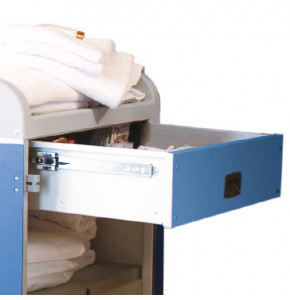
- Our cabinets and shelving systems allow for a clear sectorization of product ranges.
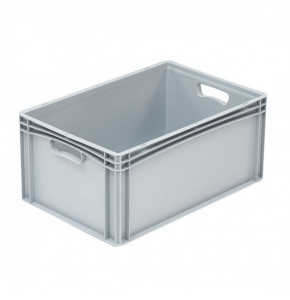
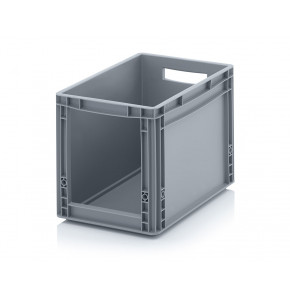
- The ergonomics of the bins and drawers reduce search time (picking) and limit selection errors.
- Result: The staff member spends less time turning their back to the patient and stays focused on the interaction at the counter.
2. Optimized PDA: safety and massive time savings
The preparation of pill dispensers strongly engages the pharmacist's responsibility. It requires rigor to avoid any risk of iatrogenesis (another major ethical obligation).
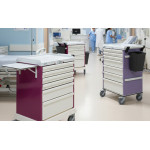
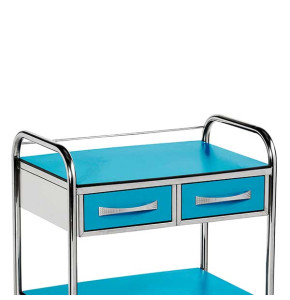
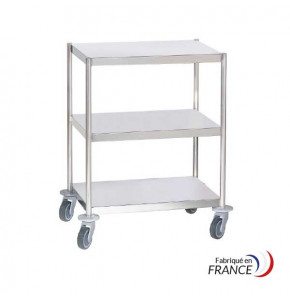
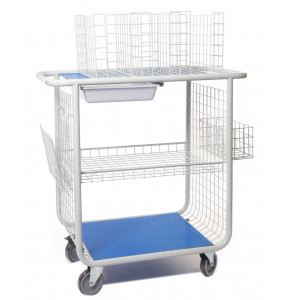
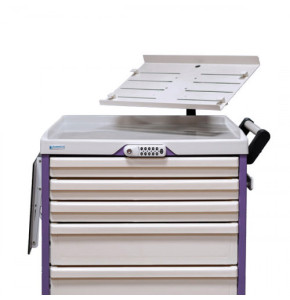
- The use of adapted PDA solutions (ergonomic preparation carts, distribution trays, traceability software) allows the process to be standardized and accelerated.
- This equipment transforms a stressful and long task into a fluid, controlled, and secure process.
- Result: The hours saved each week on logistical preparation can be reinvested in shared medication reviews or patient interviews.
Equipment: an investment in the quality of care
Respecting your Code of Ethics also means giving yourself the material means to do your job well. Modernizing your storage space and equipping yourself with high-performance PDA solutions is not a simple "logistical luxury".
It is a strategic choice that allows the entire pharmacy team to refocus on what really matters: health and the human support of the patient.
At Mdose, we are proud to provide the solutions that allow you to practice your profession under the best conditions.